Cute Baby Lamb in Photo Frame Embroidery Design
A Delightful, Seasonal Statement for Boutique Apparel
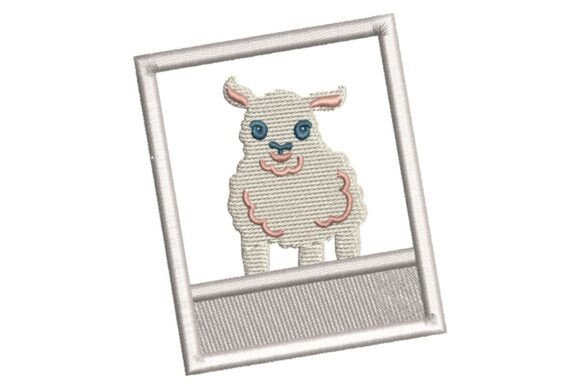
As an embroidery designer who’s developed collections for small clothing brands and Etsy sellers for over a decade, my first impression of the Cute Baby Lamb in Photo Frame Embroidery Design was immediate: it’s charming without being cloying, detailed without feeling fussy, and stylistically cohesive enough to anchor a spring-themed boutique line. The lamb’s soft, textured rendering—especially in white or light thread—gives it gentle dimension, while the stylized photo frame adds subtle structure and visual framing. It reads as playful and classic at once—not trendy in a fleeting way, but fresh enough to stand out in a sea of generic animal motifs. For apparel decorators building a cohesive aesthetic, this design feels intentionally curated, not mass-produced.
How It Performs Across Real Apparel Projects
The Cute Baby Lamb in Photo Frame Embroidery Design shines most when placed thoughtfully on neutral or pastel sweatshirts and hoodies. On heather grey or oatmeal fleece, the white-on-white or ivory-on-cream stitching creates quiet luxury—ideal for a boutique brand that values subtlety and tactile quality. I tested a scaled-down version (approx. 3.5" wide) on the chest of an oversized unisex hoodie and found it balanced proportion beautifully: legible at arm’s length, yet intimate enough to invite closer inspection. For sleeve accents or back designs, the frame motif holds up well—it doesn’t rely on fine internal detail that gets lost in scale shifts.
On t-shirts, especially lightweight cotton or blends, the design maintains clarity if stabilized properly. Its moderate stitch density avoids excessive stiffness, making it wearable without compromising drape. Denim jackets? Yes—with a medium-weight cutaway stabilizer underneath, the lamb’s texture reads cleanly against the twill grain. Tote bags benefit from its self-contained composition: no awkward cropping, no need for borders or fillers. And for lifestyle product photos or printable mockups, the frame element naturally draws the eye—making it highly effective for social media graphics and Etsy listings where visual hierarchy matters.
Where to Use It—and Where to Pause
This Creative Fabrica embroidery design works best on stable, low-stretch fabrics. On ribbed knit cuffs or curved hemlines, I recommend avoiding placement directly over high-flex zones unless you’ve tested the hoop alignment and tension on identical fabric. Fleece and French terry handle it well with tear-away + light cutaway combo stabilizing—but always test on scrap first. Dark garments require careful thread color selection: a matte ecru or heathered off-white reads softer and more intentional than stark white, which can feel harsh under studio lighting.
Small chest placement (under 3") risks losing the lamb’s expressive charm—the frame’s delicate lines may blur. Likewise, avoid placing it near seams, zippers, or areas prone to stretching during wear (like side seams or underarms). Tiny lettering isn’t part of this machine embroidery design, so pairing it with custom text requires separate file planning. Always confirm hoop size compatibility before digitizing adjustments—some versions may be optimized for 4x4 hoops, others for larger formats.
Impact on Brand Identity and Customer Trust
For handmade product sellers and small shop owners, the Cute Baby Lamb in Photo Frame Embroidery Design elevates perceived value—not through flashiness, but through considered execution. Its balanced proportions, clean edge definition, and thoughtful negative space suggest professionalism. Buyers notice that. When used consistently across a seasonal collection (e.g., matching sweatshirts, totes, and onesies), it builds visual consistency that strengthens brand recognition. On Etsy, where shoppers scan quickly, this design stands out in thumbnails without screaming—supporting trust in your curation and craftsmanship.
It also invites storytelling: “Nursery-ready,” “farm-to-closet charm,” “spring renewal”—phrases that resonate with conscious buyers. That emotional resonance translates to higher engagement in captions, better click-throughs on ads, and stronger repeat interest. As a commercial embroidery asset, it supports scalability: one design, multiple applications, minimal revision needed between garment types.
Practical Designer Notes Before You Stitch
- Always test on scrap fabric—especially if using new thread brands or unfamiliar stabilizers.
- Review stabilizer choice based on fabric weight: lightweight tear-away for tees, cutaway for knits and fleece.
- Confirm thread color contrast on your target garment—light-on-light works only with precise tension and matte thread.
- Inspect stitch density in the lamb’s wool texture: too dense = puckering; too sparse = loss of definition.
- Test on the exact garment fabric you’ll use—not just similar. A 100% cotton hoodie behaves differently than a poly-blend.
- Compare placement options: chest, sleeve, back, or even pocket flap—each changes the design’s impact.
- Double-check the Creative Fabrica product details for included file formats, recommended hoop size, and licensing terms before producing finished apparel.
Final Thoughts for Creative Entrepreneurs
The Cute Baby Lamb in Photo Frame Embroidery Design isn’t just another Baby Animals motif—it’s a versatile, mood-forward embroidery file built for intentionality. Whether you’re launching a spring capsule for your boutique brand, refreshing your Etsy shop with seasonal bestsellers, or developing custom apparel for local boutiques, this design delivers both aesthetic cohesion and commercial flexibility. It respects the craft—no over-digitized shortcuts, no unstable fills—and honors the wearer’s desire for warmth, authenticity, and quiet joy. In a market flooded with fast, forgettable digital embroidery files, this one earns its place in your working library. Just remember: let the fabric guide your stabilizer, let the context inform your scale, and always—always—test before you commit.