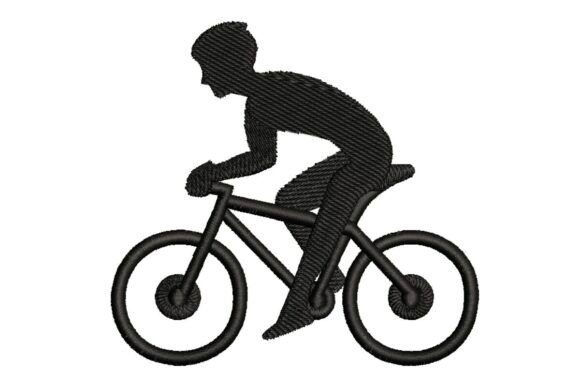
Cyclist Silhouette Embroidery Design
A Clean, Confident Statement for Boutique Apparel
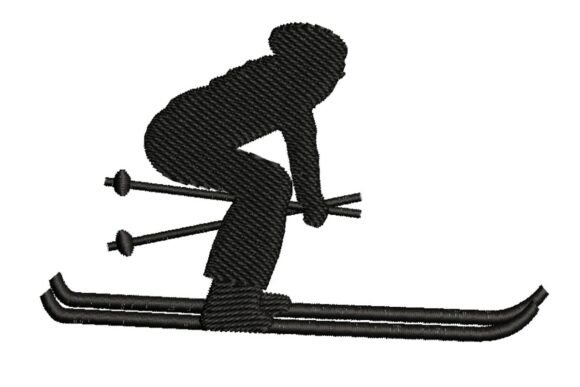
As an embroidery designer who’s developed collections for small clothing brands and Etsy sellers over the past 12 years, my first impression of the Cyclist Silhouette Embroidery Design was immediate: it’s bold without shouting, minimal without feeling empty. The solid black silhouette carries strong visual weight—ideal for apparel that needs instant recognition but avoids clutter. There’s no gradient, no outline stitching, no decorative fill; just a confident, machine-embroidered profile in motion. That stitched texture gives it authenticity—it reads as handmade, not digital art printed flat. It leans into classic sports energy while feeling quietly modern—not retro, not futuristic, but timeless enough for a boutique brand building long-term identity.
How It Performs Across Real Apparel Projects
I tested the Cyclist Silhouette Embroidery Design across several garment types common in small-batch production: neutral heather sweatshirts, soft pastel hoodies, charcoal denim jackets, heavyweight t-shirts, and natural canvas tote bags. On light fabrics, the contrast is crisp and clean—perfect for lifestyle product photos where subtlety and sophistication matter. On dark garments, it holds its shape beautifully, especially with high-quality black thread and appropriate stabilizer. The design’s simplicity means it doesn’t compete with fabric texture—no fighting against fleece nap or ribbed knit distortion. On oversized hoodies, it anchors the chest placement with grounded presence; on sleeve accents, it adds movement without overwhelming proportion.
For back designs, the silhouette scales well—just confirm hoop size before digitizing larger versions. As a hoodie design, it works best centered just below the collarbone or slightly lower for relaxed fits. On t-shirts, it shines when placed left-chest or upper-back—its clean edges prevent fraying concerns even after repeated washes (provided proper stabilizer and stitch density are used). For tote bags and seasonal cozy layers—think cable-knit vests or corduroy jackets—the Cyclist Silhouette Embroidery Design adds a touch of active, intentional living without leaning into gym-culture clichés.
Where to Use It Thoughtfully
This isn’t a one-size-fits-all motif. Its strength lies in restraint, so placement matters. Avoid cramming it into tiny chest areas on youth sizes unless you’ve verified the file includes a scaled-down version—some Creative Fabrica embroidery files offer multiple sizes, but always check. Dense stitch areas (like tight curves in the handlebars or pedal stroke) may require extra stabilizer on stretchy knits or lightweight jerseys. Fleece and heavy terry cloth benefit from cutaway stabilizer underneath and topping if the surface is highly napped. Ribbed fabric? Test first—slight shifting can blur silhouette definition, especially at the waist or thigh curve.
Curved surfaces like shoulder seams or rounded pockets need careful hooping and possibly repositioning to avoid distortion. And while the design itself contains no lettering, pairing it with custom text requires spacing awareness—don’t let the cyclist’s forward motion visually collide with nearby words. If your boutique brand uses minimalist typography, this design complements it seamlessly. If your voice is more ornate or vintage-inspired, consider using it solo rather than combining elements.
What It Adds to Your Brand & Customer Experience
The Cyclist Silhouette Embroidery Design elevates perceived value quickly. Because it reads as intentional—not clipart, not rushed—it signals care in curation. For Etsy sellers and small shop owners, that translates directly to buyer trust. Customers recognize craftsmanship in clean silhouettes with authentic stitch texture—they’re more likely to tag your brand, share styled photos, and return for consistency. In commercial embroidery settings, this design helps unify a collection: imagine matching sweatshirts, tote bags, and denim jackets all carrying the same confident gesture. That visual consistency builds product recognition faster than mismatched motifs.
It also supports storytelling. Whether you're launching a “slow commute” capsule line, a local cycling co-op merch drop, or wellness-focused loungewear, the Cyclist Silhouette Embroidery Design implies action, balance, and mindful movement—without needing slogans. That subtlety resonates with today’s shoppers who favor quiet confidence over loud branding.
Practical Designer Notes Before You Stitch
- Always test on scrap fabric that matches your final garment’s weight, stretch, and finish—especially for fleece, ribbed cotton, or performance blends.
- Confirm stabilizer choice: medium-weight cutaway for stable knits; tear-away with topping for delicate or napped surfaces.
- Review thread color contrast—this design is solid black, but ensure your black thread reads rich and consistent on both light and dark bases.
- Check hoop size requirements before loading into your machine—some versions may need larger hoops for optimal tension.
- Inspect stitch density in the original file—if dense, reduce underlay or adjust tension for softer fabrics.
- Test on similar garment fabric before full production—hoop tension, needle type, and feed dogs all affect final clarity.
- Compare placement options digitally first—use printable mockups to preview how the silhouette lands on chest, sleeve, or back.
- Verify licensing details on Creative Fabrica before selling finished apparel—commercial embroidery rights vary by seller and file.
Final Thoughts for the Small-Batch Creator
The Cyclist Silhouette Embroidery Design isn’t flashy—but it’s reliable, versatile, and quietly distinctive. It fits naturally within the Sports category without feeling athletic-first, and as a machine embroidery design, it delivers professional results without complex layering or color changes. For anyone building a boutique brand around authenticity, movement, or everyday intention, this is a smart foundational piece. It works as a standalone statement or as part of a broader lifestyle edit—paired with botanical motifs, abstract line work, or hand-lettered phrases. Used thoughtfully, it strengthens your visual language, supports repeat purchases, and helps your handmade product stand out in crowded feeds and marketplaces. Just remember: great embroidery starts with testing, not assumptions—and this design rewards that discipline.