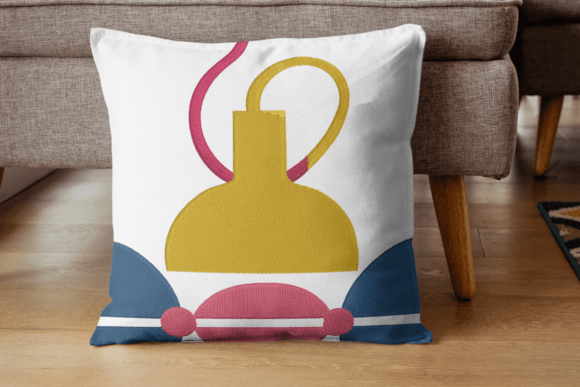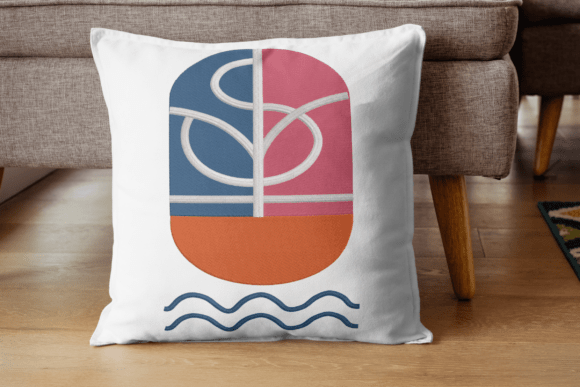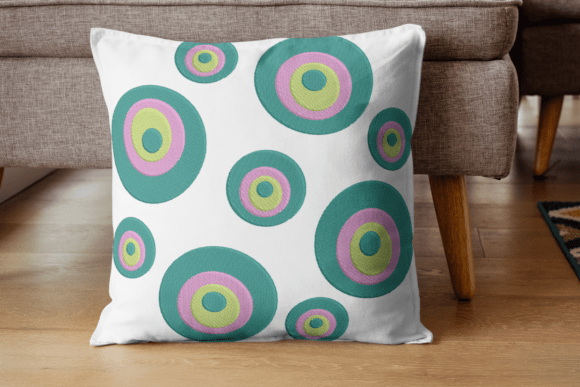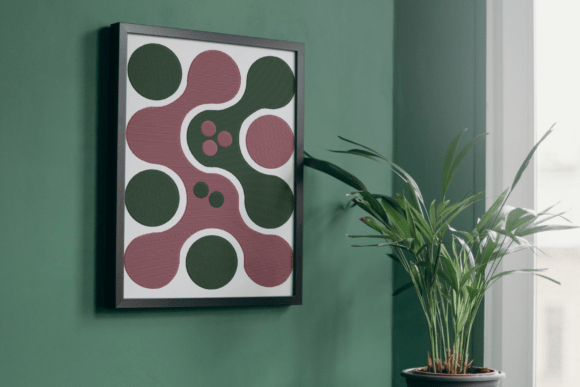
Modern Geometric Arc Embroidery Art
A Craft Fair Designer’s First Look: Bold, Clean, and Instantly Recognizable
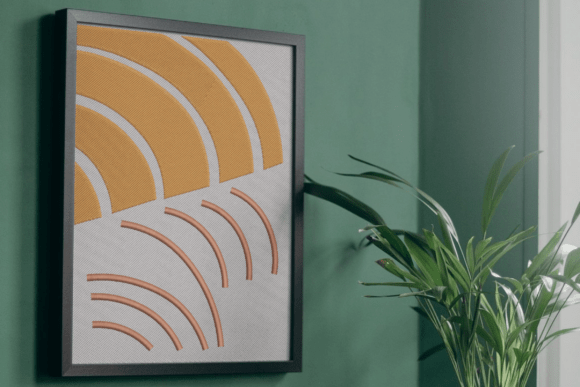
As someone who’s stitched over 300 craft fair booths—and curated embroidery designs for Etsy sellers, boutique makers, and small-shop product lines—I opened Modern Geometric Arc Embroidery Art expecting crisp lines, intentional negative space, and a design that breathes on fabric. I wasn’t disappointed. This isn’t a fussy floral or a cluttered motif—it’s a confident, modern arc shape with subtle geometric rhythm. It reads as elegant, not ornate; minimal, not sterile; and premium, not pretentious. That balance is gold at a handmade market, where shoppers scan your table in under three seconds.
Where It Shines: Real Products, Real Booth Traffic
In my booth setup—tote bags stacked upright, aprons draped over a ladder shelf, tea towels folded beside embroidered pouches—Modern Geometric Arc Embroidery Art performed strongest as a focal accent, not filler. On a natural linen tote bag, centered just below the handle seam? Instant sophistication. On a denim apron pocket? Sharp, gender-neutral, and quietly upscale. As a single arc on a cream tea towel corner? Elegant without shouting. And on a structured cotton pouch? It gave the whole item gravitas—like a small luxury object, not just another handmade accessory.
It also works brilliantly as an embroidered patch. Because the arc is clean and self-contained, it holds up beautifully when cut and fused—no fraying edges, no lost detail. That makes it ideal for craft fair upsells: “Add a custom patch for $8” converts well when the design looks intentional and cohesive across your entire display.
What Doesn’t Work (And Why It Matters)
This design is not built for dense coverage or tiny placements. Don’t try to shrink it below 2.5 inches wide on a curved cap surface—the arc flattens, losing its rhythm. Avoid placing it on heavily textured towels or thick terry cloth without testing stitch density first: too many overlapping satin stitches in tight curves can pucker or snag. And while it’s labeled Flower Embroidery Design Digital File in the description, there’s no literal bloom here—so don’t lean into “floral” marketing unless you’re pairing it intentionally with botanical elements (e.g., a single arc beside a hand-embroidered stem).
Also: if your thread colors lack contrast against dark fabric—say, navy twill or charcoal canvas—the arc’s subtlety disappears. It needs breathing room and clarity. That means choosing high-contrast thread (ivory on black, charcoal on oat, metallic silver on indigo) or reserving it for light-to-mid-tone fabrics where the geometry reads instantly.
Photography, Listings, and Repeat Value
Modern Geometric Arc Embroidery Art photographs exceptionally well. Its symmetry and clean edge make it ideal for printable mockups—no distracting details to soften in JPEG compression. On Etsy listings, it stands out in grid view because it’s uniquely shaped: most machine embroidery designs default to circles, squares, or florals. An arc breaks pattern recognition—making your thumbnail stop scrollers.
For batch production? Yes—it’s highly repeatable. No tiny lettering, no nested fills, no fragile stems. You can run 50 identical tote bags in one afternoon if your hoop size accommodates the full arc (confirm your hoop size before cutting files). Just be sure to use tear-away + cutaway stabilizer combo on lightweight fabrics, and always test on scrap first—especially if stitching on slubbed linen or ribbed cotton, where tension shifts can distort the curve.
Booth Psychology: How It Moves Product
At a craft fair, attention is currency—and Modern Geometric Arc Embroidery Art earns it through visual calm. In a sea of busy prints and cutesy motifs, this design signals intentionality. Customers pause longer. They ask, “Is that custom?” even when it’s not. That hesitation is your opening to talk about craftsmanship, material quality, and brand story.
It also strengthens booth display cohesion. Use the same arc placement and thread color across totes, aprons, and pillow covers, and suddenly your table reads as a curated collection—not a grab-bag of handmade products. That consistency builds perceived value and supports repeat buyers: “I got the tote last year—I’ll take the pillow cover this time.”
Designer Notes You Can’t Skip
- Test on scrap fabric—especially with your exact thread, stabilizer, and machine tension settings.
- Check thread contrast before stitching 20 units. A soft gray arc on heather gray fabric vanishes under fair lighting.
- Review spacing and stitch density in your embroidery software. Tight arcs can compress—ensure satin stitches aren’t stacking too densely near the curve’s apex.
- Confirm hoop size compatibility. If your machine uses a 4x4 hoop but the arc stretches to 4.2”, you’ll need repositioning or resizing—don’t assume it fits.
- Use the right stabilizer: medium-weight cutaway for knits, tear-away + light cutaway for wovens, and water-soluble top layer for dense satin areas.
- Create at least one real mockup—not digital. See how it drapes, catches light, and feels in hand.
- Compare fabric colors side-by-side under natural and indoor light. Linen shifts tone dramatically between settings.
- Confirm commercial licensing before selling finished products. Since this is a digital embroidery file, verify whether the license permits resale of physical items—you’ll need that for craft fairs, Etsy, or wholesale.
Final Verdict: A Smart, Scalable Shape for Serious Makers
Modern Geometric Arc Embroidery Art isn’t flashy—but it doesn’t need to be. It’s a Shapes-category standout that delivers quiet authority, strong visual hierarchy, and genuine versatility across craft fair product categories. It elevates a simple tote bag into a small shop product with personality. It gives an apron the polish of a boutique brand. And it lets your Etsy seller listing stand apart—not with novelty, but with refined execution.
For embroidery business owners and creative entrepreneurs building a recognizable line, this design is less “just another embroidery file” and more design asset: scalable, shoppable, and deeply compatible with handmade quality. Stitch it thoughtfully, present it intentionally, and watch customers reach—not for the biggest item on your table, but for the one that feels unmistakably *yours*.