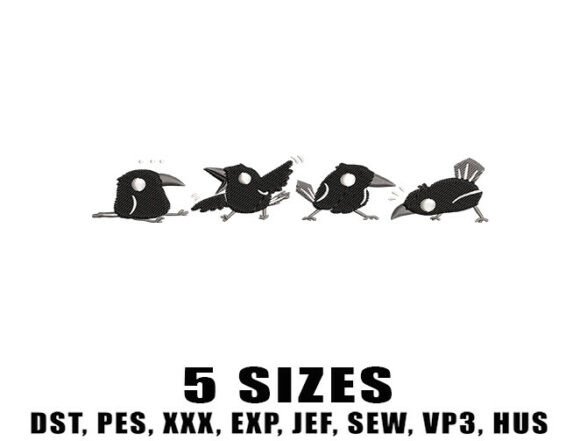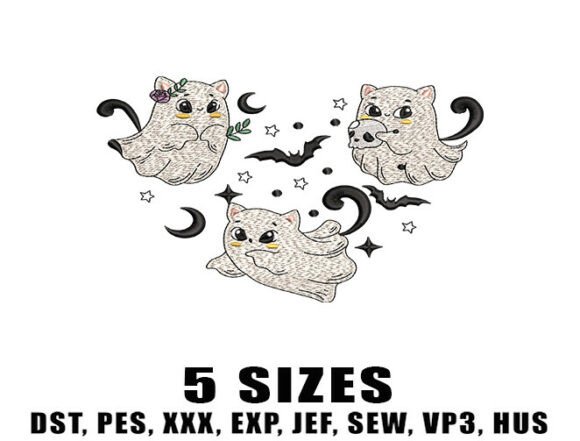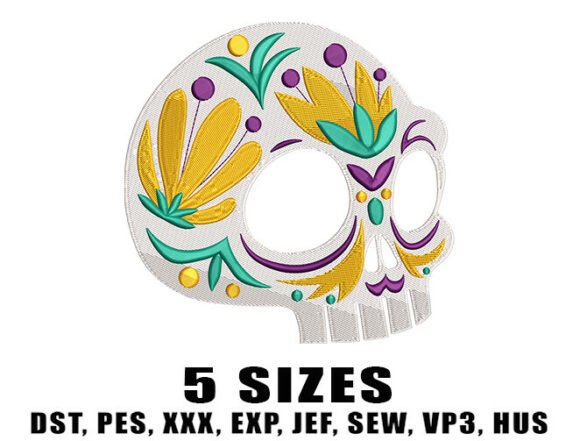
Skeleton Funny Dance Embroidery Design
A Playful, Spooky Pulse for Boutique Apparel
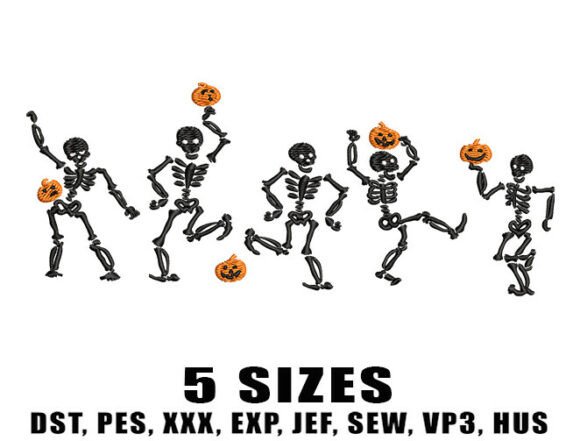
As an embroidery designer who’s stitched hundreds of boutique collections—from cozy seasonal hoodies to limited-run t-shirt drops—I opened the Skeleton Funny Dance Embroidery Design expecting fun. What I found was something more: a tightly composed, rhythm-driven machine embroidery design that balances Halloween whimsy with real-world apparel versatility. The dancing skeletons aren’t chaotic or cartoonish—they’ve got posture, flow, and subtle bounce. Pumpkins nestle in naturally, not as afterthoughts but as rhythmic accents. Visually, it reads as playful, bold, and confidently lighthearted—not cute, not scary, and definitely not generic. It feels premium in execution, with clean stitch transitions and intentional negative space that prevents visual clutter on fabric.
How It Performs Across Real Garment Types
For sweatshirt embroidery, this design shines on chest placement—especially at Sizes 2 (4.8") and 3 (5.8"). On neutral heather grey or oatmeal sweatshirts, the contrast pops without shouting. On pastel hoodies—think mint, lavender, or blush—the skeletons read with gentle irony, softening the spook factor into something lifestyle-friendly. On dark garments like charcoal or navy, I recommend high-contrast thread colors (bright white, neon orange, or metallic gold) to preserve legibility and energy.
For hoodie design, the back placement works beautifully at Size 4 (6.8") or Size 5 (7.8"), especially when centered above the waistband. The movement in the pose translates well across curved surfaces—no distortion if hooped carefully. As a sleeve accent, Size 1 (3.8") fits cleanly on the upper bicep of oversized or relaxed-fit hoodies, adding surprise without overwhelming the silhouette.
On t-shirt embroidery, avoid dense underlay on lightweight cotton—it can cause puckering. Stick to Size 1 or 2, use light cutaway stabilizer, and test thread tension first. For tote bag design, the larger sizes hold up strongly on canvas or denim-weight fabric, where stitch density supports structure and durability. And yes—it reads well on denim jackets, particularly when placed on the back yoke or lower left chest, where the playful motion contrasts nicely with rugged texture.
Where to Use It Thoughtfully
This isn’t a “drop-and-stitch” file for every surface. Because of its moderate stitch density and interconnected elements (arms, legs, pumpkin stems), take care on stretchy fabric like ribbed knits or fleece-backed hoodies—always test on scrap with your exact garment fabric and stabilizer combo. Avoid placing it directly over seams, darts, or heavily curved areas like shoulder caps unless you’re confident in your hooping technique.
Small chest placement works best with Size 1 or 2—anything larger risks imbalance on petite frames or narrow fronts. Also, skip tiny lettering additions unless the design file includes them natively; adding custom text increases stitch count unpredictably and may compromise the original balance. And while it’s charming on cozy seasonal outfits (think flannel shirts or corduroy jackets), confirm hoop size compatibility before loading—some machines struggle with designs over 6.5" without re-hooping.
Impact on Brand Identity and Customer Connection
For a small shop product or Etsy seller, the Skeleton Funny Dance Embroidery Design does more than decorate—it signals personality. It tells shoppers your brand embraces humor, seasonality, and craftsmanship without leaning into cliché. That builds buyer trust: customers recognize intention behind the edit, not just trend-chasing. When used consistently across a capsule collection (e.g., matching sweatshirts, totes, and denim jackets), it strengthens visual consistency and boosts product recognition in feeds and marketplaces.
In lifestyle product photos, the design holds up under natural lighting—no muddy fills or lost detail. It scales cleanly into printable mockups and social media graphics, maintaining clarity even at thumbnail size. That matters for commercial embroidery sellers who rely on digital previews to convert browsers into buyers.
Practical Designer Notes Before You Stitch
Before committing to production:
- Test on scrap fabric—especially if using fleece, ribbed knit, or dark apparel. Note how stabilizer choice affects drape and stiffness.
- Review thread color contrast. The design’s energy lives in its readability—don’t let low-contrast threads mute the dance.
- Confirm hoop size for your largest intended size (7.8"). Some multi-position hoops require rotation or re-hooping—factor that into labor estimates.
- Inspect stitch density in the file preview. Areas like skeleton hands and pumpkin vines can run dense—adjust underlay if needed for lightweight fabrics.
- Test on similar garment fabric before stitching your first finished product. A cotton hoodie behaves differently than a polyester blend.
- Compare placement options—chest, sleeve, back, pocket flap—to see which best serves your garment’s proportions and your brand’s aesthetic rhythm.
- Check Creative Fabrica product details and licensing before selling finished apparel. Confirm commercial use terms apply to your intended scale and distribution channels.
Final Thought: A Seasonal Staple With Staying Power
The Skeleton Funny Dance Embroidery Design stands out because it doesn’t treat Halloween as a one-note theme. It’s spirited, scalable, and stylistically flexible—just as valuable for a boutique brand launching a limited October collection as for a craft studio building year-round handmade product lines. Used intentionally, it elevates custom apparel from decoration to storytelling. And in a crowded digital marketplace, that kind of thoughtful distinction is what turns casual scrollers into loyal customers.