Stylized Delesseria Seaweed Embroidery Design
As an embroidery designer who’s prepped over 200 craft fair booths—and shipped thousands of embroidered tote bags, tea towels, and market pouches—I’m always scanning for designs that stop people in their tracks, translate beautifully across fabric types, and hold up under real-world production. The Stylized Delesseria Seaweed Embroidery Design caught my eye immediately—not because it shouts, but because it whispers with intention. It’s not a single flower in the traditional sense, but its botanical elegance fits seamlessly into the Single Flowers category for buyers seeking refined, nature-inspired embroidery motifs.
A First Impression That Sells Before You Speak
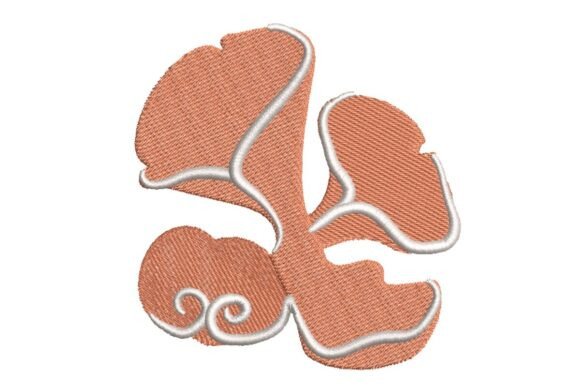
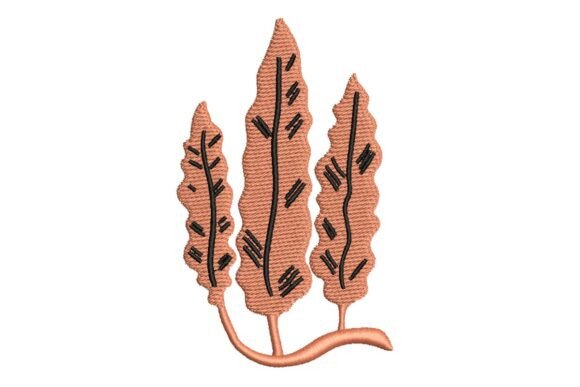
This isn’t bold or festive—it’s quietly confident: modern, slightly coastal, and deeply tactile. With three elongated, wavy fronds in a textured reddish-brown or terracotta palette, the Stylized Delesseria Seaweed Embroidery Design reads as elegant yet approachable—perfect for shoppers who love farmhouse charm without cliché, or boutique makers building a cohesive, earth-toned brand. At a glance, it feels premium, handmade, and intentional—exactly what draws eyes at a crowded craft fair aisle or lifts an Etsy listing above algorithm noise.
Where It Shines: Product-by-Product Reality Check
- Tote bag design: Ideal as a subtle side-panel accent or centered on the front pocket. Its flowing lines soften structured canvas and add organic movement—no competition with logos or text.
- Apron embroidery: Works beautifully above the pocket or along the waistband. The wavy rhythm echoes motion—ideal for bakers, florists, and herbalists who want quiet sophistication.
- Tea towel embroidery: A standout on linen or cotton toweling. The textured stitch rendering mimics natural fiber variation, making it feel *of* the fabric—not applied to it.
- Embroidered patch: Highly effective at 2.5–3 inches wide. Clean outlines and open negative space ensure crispness when heat-applied or sewn onto denim, canvas, or corduroy.
- Caps & curved surfaces: Use only on flat panels (e.g., front crown or back strap). Avoid full-curve application—the frond tips may distort unless digitized with stretch compensation.
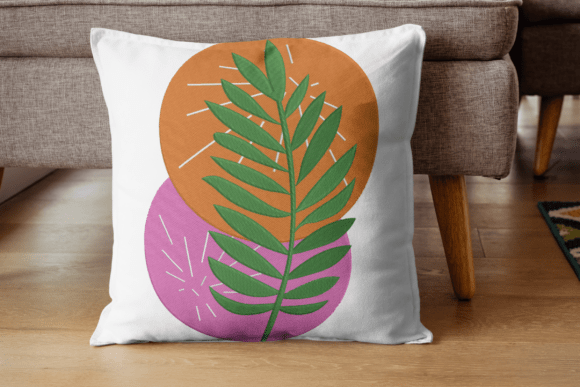
- Fabric pouches & pillow covers: A natural fit. Its vertical orientation balances square and rectangular formats, and the repetition of wave-like forms invites pairing with coordinating solid-thread borders.
- Printable mockup & Etsy seller assets: Photographs exceptionally well on neutral backdrops. Its soft contrast and organic shape render cleanly in digital previews—boosting click-through on listings.
Production Practicality: What Makes This Design Booth-Ready
The Stylized Delesseria Seaweed Embroidery Design is refreshingly scalable. It works as both a small accent (1.75″ tall) and a medium focal piece (4–4.5″), without losing legibility. That versatility is gold for batch production—you’re not re-digitizing for every product. Stitch density appears moderate (no dense fill traps or ultra-fine line work), which means fewer thread breaks, less stabilizer fuss, and smoother runs across multiple hoops.
But here’s where attention matters: if your embroidery file includes fine interior veining or micro-texturing, test it on your target fabric first. On thick canvas or highly textured tea towels, those details can blur. Likewise, avoid shrinking this design below 1.5″—the frond separation tightens, and the elegant rhythm collapses into a muddy silhouette.
Smart Selling Notes for Handmade Entrepreneurs
At a craft fair, customers don’t read botanical names—they feel mood, texture, and quality. The Stylized Delesseria Seaweed Embroidery Design delivers all three. It elevates a simple tote bag into a curated handmade product. It gives a kitchen towel quiet storytelling power. And on a patch or cap, it signals discernment—not trend-chasing.
For Etsy sellers and small shop owners, this design strengthens brand consistency across collections. Pair it with neutral thread palettes (oatmeal, charcoal, olive, rust) and natural fabrics, and you’ve got repeatable visual language—no need to reinvent your booth display each season.
Must-Do Designer Checks Before Production
- Test on scrap fabric matching your final product—especially for textured towels or curved caps.
- Check thread contrast on both light and dark substrates; reddish-brown pops on cream but recedes on navy unless backed with white underlay.
- Review spacing between fronds—tight crowding increases stitch density and risk of puckering.
- Confirm hoop size compatibility with your commercial embroidery machine; most versions will fit comfortably in a 4×4 or 5×7 hoop.
- Inspect stitch density in the thickest frond sections—over-stitching causes stiffness and poor drape on lightweight fabrics.
- Use appropriate stabilizer: cutaway for knits, tear-away for stable wovens, and heavy cutaway + topping for textured towels.
- Create at least one real mockup—not just a digital preview. Light, shadow, and hand-feel change everything.
- Compare fabric colors side-by-side—terracotta thread on oat linen reads warmer than on ivory cotton poplin.
- Verify commercial licensing before selling finished products. As a digital embroidery file, its use in physical goods requires clear permission—don’t assume personal-use = small-shop-use.
In short: the Stylized Delesseria Seaweed Embroidery Design isn’t flashy—but it’s memorable. It doesn’t scream “look at me!”—it says “you belong here.” That subtlety is what converts browsers into buyers at craft fairs, builds trust in handmade shops, and earns repeat clicks from thoughtful Etsy shoppers. For embroidery business owners building a sustainable, scalable line of craft fair products, this is the kind of machine embroidery design that pays dividends—not just in sales, but in reputation, rhythm, and real-world ease.