Baby Loading Embroidery Design
A Playful, Modern Touch for Meaningful Handmade Gifts
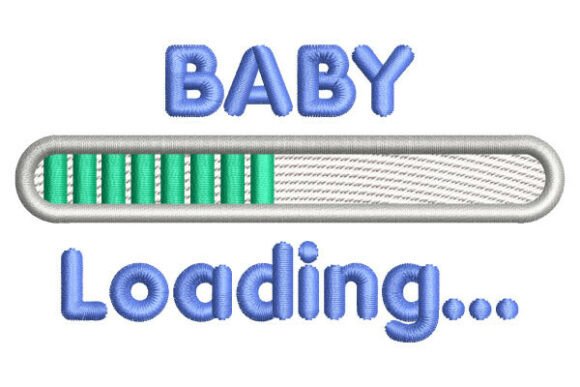
As an embroidery designer who’s stitched thousands of baby and wedding projects over the past 12 years, I was instantly charmed by the Baby Loading Embroidery Design. It doesn’t shout—it smiles. Soft curves, balanced negative space, and that clever progress bar motif give it a contemporary, lighthearted energy without sacrificing warmth. It feels sweet but not saccharine, modern but never cold—exactly the tone today’s Etsy sellers and small shop owners need when crafting personalized gifts that resonate emotionally.
Where This Creative Fabrica Embroidery Truly Shines
The Baby Loading Embroidery Design is more than nursery decor—it’s a storytelling stitch. I’ve used it on baby blankets for expecting parents (paired with monogrammed initials), embroidered towels for baby showers, and even pillow covers gifted to new grandparents. Its playful “loading” concept translates beautifully across contexts:
- Baby embroidery: Perfect for onesies, burp cloths, and milestone blankets—especially when paired with soft pastel thread colors.
- Wedding gift: Stitch it onto linen hand towels or cotton aprons for couples starting their family journey.
- Family keepsakes: Combine with birth date or name in a subtle script for heirloom-style blanket corners.
- Nursery decor: Works elegantly on framed hoop art, crib skirts, or custom wall hangings—its clean lines hold up beautifully at small-to-medium sizes.
- Personalized home decor: Try it on canvas tote bags, tea towels, or ceramic mug sleeves (with heat-transfer vinyl backing).
- Craft fair & Etsy listings: Customers love its uniqueness—it stands out in search results and social previews without needing explanation.
Because it’s rooted in gentle humor and universal anticipation, the Baby Loading Embroidery Design also performs well in printable mockups. I’ve seen designers use it in digital product bundles alongside birth announcement templates—boosting perceived value and cross-selling potential.
Practical Embroidery Notes You’ll Appreciate
This isn’t just about charm—it’s about stitchability. As someone who’s troubleshooted dense fills on terry cloth and delicate lettering on stretchy knit, I always assess how a design behaves *in motion* on the machine. Here’s what stood out:
- Stitch density: Thoughtfully balanced—not overly dense, which helps prevent puckering on lightweight cottons or textured towels.
- Small details: The progress bar “dots” and subtle icons are sized for clarity at 3–4 inches wide. At smaller scales (under 2.5"), test first—some machines may soften fine elements.
- Fabric texture matters: On thick fleece blankets or looped terry, I recommend a medium-cutaway stabilizer. For stretchy baby clothes, a light tear-away + topping combo preserves crispness.
- Thread color contrast: The design relies on clean shape definition—not heavy shadowing—so high-contrast thread pairings (e.g., mint on ivory, charcoal on oatmeal) maximize readability and handmade appeal.
- Dark fabric tip: When stitching on navy or charcoal, avoid white bobbin thread unless your top thread is very dense—opt for matching bobbin for smoother underside coverage.
Why It Builds Trust—and Turns Browsers Into Buyers
In my experience, customers don’t just buy embroidery—they buy intention. The Baby Loading Embroidery Design signals thoughtfulness: it’s not generic; it’s curated. That nuance elevates your entire handmade product line. When a buyer sees this stitched cleanly on a linen pillow cover or baby blanket, they perceive care in execution—right down to thread selection and stabilizer choice.
That perception directly impacts photography, too. Clean lines and balanced proportions mean less editing, faster mockup turnaround, and stronger Instagram or Etsy thumbnails. And because it’s versatile enough for baby showers, weddings, and gender-neutral gifting, it expands your seasonal reach without requiring new inventory.
Before You Stitch: A Quick Checklist
Every successful commercial embroidery project starts with smart prep. Before adding the Baby Loading Embroidery Design to your next batch of handmade products, take these practical steps:
- Create a test stitch-out on the exact fabric and stabilizer you plan to use—not just scrap cotton.
- Check small details post-stitch: Are the progress bar indicators distinct? Does the outline hold crispness on textured surfaces?
- Compare thread colors in natural light, not just on screen—subtle shifts affect perceived warmth and professionalism.
- Confirm hoop size compatibility with your machine and intended placement (e.g., towel hems or blanket corners).
- Review licensing terms on Creative Fabrica before selling finished products—this is essential for Etsy sellers and small business owners using digital embroidery files commercially.
Remember: the quality of your finished product reflects not just the design—but your expertise in choosing the right stabilizer, adjusting tension, and honoring the fabric’s behavior. The Baby Loading Embroidery Design gives you a strong foundation—but your craft brings it to life.
Final Thought: A Design That Grows With Your Business
What makes the Baby Loading Embroidery Design special isn’t just its visual appeal—it’s its quiet versatility. It works as a standalone statement on a baby onesie, a tender accent on a wedding towel, or part of a coordinated collection for a boutique nursery line. For embroidery crafters building a brand around heartfelt, personalized gifts, it’s a reliable, emotionally resonant tool—one that supports both creative expression and commercial consistency.
If you’re curating your Creative Fabrica embroidery library for handmade product development, this machine embroidery design earns a permanent spot—not just for its charm, but for how effortlessly it bridges meaning, aesthetics, and real-world stitch performance.