Coquette Autumn Embroidery Design
A Designer’s First Impression: Whimsy Meets Warmth
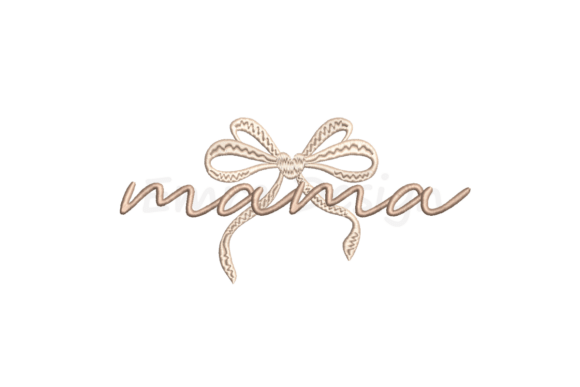
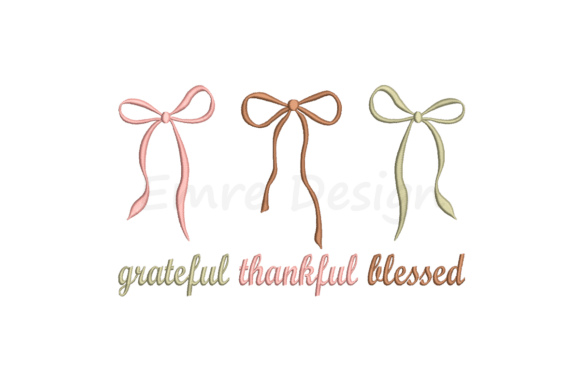
As an embroidery designer who’s built seasonal collections for over a decade, my first glance at Coquette Autumn Embroidery Design lands with immediate resonance—it’s not just “autumnal,” it’s emotionally layered. The design evokes cozy nostalgia and gentle playfulness, like a handwritten note tucked into a cinnamon-scented gift box. It leans romantic rather than rustic, elegant instead of folksy, and carries just enough decorative detail to feel intentional—without tipping into visual clutter. There’s no overt pumpkin or turkey motif; instead, it uses soft botanical flourishes, delicate script, and balanced negative space to whisper “fall” rather than shout it. That subtlety is gold for holiday embroidery that must age gracefully beyond Thanksgiving weekend.
Real-World Product Fit: Where This Design Shines
In my shop planning for the holiday season, I immediately see Coquette Autumn Embroidery Design working across high-margin, gift-ready categories:
- Sweatshirt embroidery on cream or heather charcoal crewnecks—ideal for family matching sets or small shop product bundles;
- Tote bag design on natural canvas or linen-blend bags, perfect for craft fair displays and Instagram-ready unboxings;
- Kitchen towel embroidery on waffle-weave or cotton terry—its whimsical tone softens utilitarian texture while feeling premium;
- Pillow cover accents on oatmeal linen or velvet, elevating home decor without competing with existing patterns;
- Embroidered patch applications for denim jackets or baby blankets—its scale and clarity hold up beautifully when heat-applied or sewn on;
- Personalized gift pairings: add monogram initials beside the main motif for heirloom-quality baby items or bridal shower favors.
For Etsy sellers, this design translates well into printable mockups—its clean lines and moderate density render crisply in digital previews. And because it avoids dated clichés, it stays relevant for early fall launches through New Year gifting windows.
Where to Proceed with Care
Even charming designs have boundaries—and knowing them prevents costly rework. With Coquette Autumn Embroidery Design, I recommend caution in these real-world scenarios:
- Small hoop sizes: If your smallest hoop is under 4x4”, test stitch first—the delicate elements may compress awkwardly;
- Thick towels or textured fabric: High stitch density can flatten on heavy terry; use cutaway stabilizer + reduced top tension;
- Dark fabric: Light thread colors may lack contrast—always test thread colors on both light and dark fabric before bulk production;
- Stretchy garments: Avoid placing near side seams or underarm curves unless paired with tear-away + fusible stabilizer combo;
- Metallic thread: Its sheen can exaggerate thin lines—reserve metallics for outlines only, not fills;
- Repeated washing: For kitchen towels or baby items, confirm the embroidery file allows for dense enough satin stitches to withstand laundering.
Seasonal Impact: Beyond Aesthetics
This isn’t just about pretty stitching—it’s about emotional resonance during peak shopping. Coquette Autumn Embroidery Design boosts giftability by feeling personal yet universally warm. Customers don’t buy “a fall design”—they buy the feeling of gathering, slowing down, and honoring small moments. That translates directly to higher perceived value, stronger brand consistency (especially if used across your entire autumn line), and increased social media engagement—think flat-lay photos with dried florals, ceramic mugs, and hand-stitched tags.
For small business owners, it also builds customer trust: its refined execution signals professionalism, helping handmade gifts stand out amid mass-produced alternatives. And because it’s versatile—not locked into one holiday—it supports extended seasonal campaigns, reducing the pressure to constantly refresh inventory.
Practical Designer Notes Before You Stitch
Before adding Coquette Autumn Embroidery Design to your holiday embroidery lineup, run through these essentials:
- Confirm hoop size: Match your most-used hoops—this affects placement flexibility on apparel and home goods;
- Check stitch density: Overly dense files cause puckering on lightweight fabrics; under-dense ones look washed out on dark towels;
- Test stabilizer pairing: Use tear-away for stable fabrics like cotton twill, cutaway for knits or terrycloth;
- Create realistic mockups: Not just white backgrounds—layer it onto actual product photos (e.g., a folded kitchen towel, a draped pillow cover);
- Review small details post-stitch: Tiny loops or fine stems can vanish on low-res machines—verify clarity at actual size;
- Plan matching color palettes: Pull 3–4 thread colors that harmonize with common fall fabric bases (oatmeal, rust, sage, deep navy);
- Verify commercial licensing: Before selling finished products, confirm this digital embroidery file permits commercial embroidery use—critical for Etsy sellers and wholesale partners.
Final Thought: A Seasonal Anchor, Not Just a Decoration
Coquette Autumn Embroidery Design isn’t filler—it’s a strategic seasonal anchor. It bridges the gap between trend-aware and timeless, playful and polished, handmade and premium. When placed thoughtfully on a sweatshirt, stitched cleanly onto a linen pillow cover, or transformed into an embroidered patch for a holiday gift bundle, it quietly tells your customer: *This was chosen with care.* In a crowded holiday marketplace, that intentionality is your strongest differentiator. Use it wisely, test thoroughly, and let its quiet charm do the talking.