Cute Spotted Mushroom Embroidery Design
First Impressions: Whimsy, Warmth, and Wearable Folklore
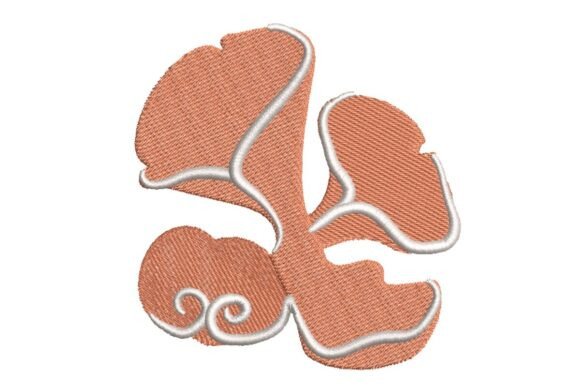
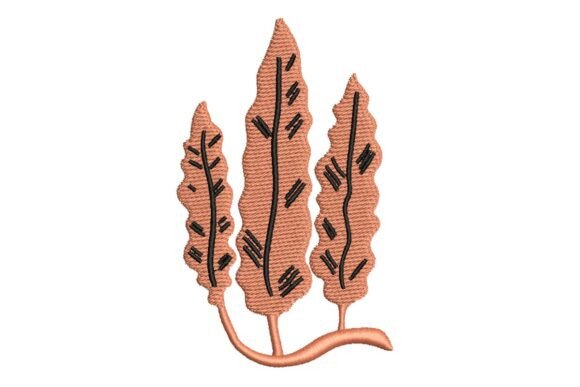
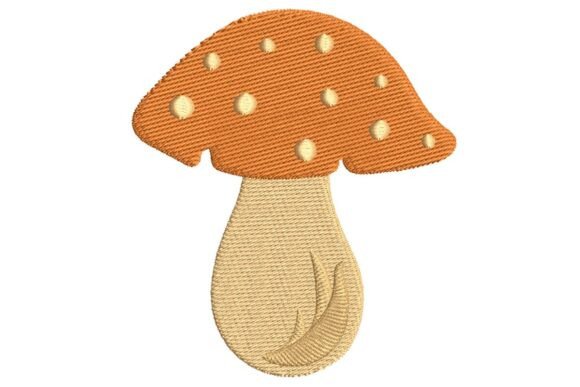
As an embroidery designer who’s stitched for over a dozen boutique brands—from Brooklyn-based slow-fashion labels to Pacific Northwest Etsy sellers—I opened Cute Spotted Mushroom Embroidery Design expecting charm. What I found was something more: a quiet confidence in its simplicity. This isn’t a cluttered botanical illustration or a hyper-realistic fungi study—it’s a stylized mushroom with clear intention. The broad, textured orange cap suggests hand-drawn warmth, while the “spotted” detail (even hinted in the truncated description) implies thoughtful negative space or satin-stitch variation—not just filler dots. It lands squarely between playful and poetic: feminine without being saccharine, rustic without feeling dated, decorative without overwhelming.
Why It Works on Sweatshirts—Especially for Small Brands
Sweatshirts are the quiet heroes of boutique apparel: cozy, versatile, and deeply personal. A chest placement of Cute Spotted Mushroom Embroidery Design on a neutral heather grey or oatmeal sweatshirt reads as intentional minimalism—not generic decoration. On dark fabric like charcoal or navy, the orange cap pops with gentle contrast, especially if paired with ecru or mustard thread for the stem and spots. Pastel blush or sage sweatshirts? This design softens further, leaning into cottagecore storytelling without sacrificing clarity. And on oversized hoodies or cropped pullovers? Its balanced proportions hold up beautifully—no awkward stretching or visual sinking.
It’s also refreshingly adaptable beyond the chest. Try it scaled down (35–40mm) on a sleeve cuff for subtle brand recognition, or enlarged (75–85mm) centered on the back of a seasonal pullover—think autumn launches or spring renewal collections. For lifestyle photography, it reads clean against linen backdrops or mossy forest floors, reinforcing that “whimsical nature” mood without needing props. As a digital embroidery file, it translates well into printable mockups for Etsy listings—customers instantly grasp its handmade soul.
Design Integrity Meets Commercial Practicality
Let’s talk real-world execution. As a machine embroidery design, Cute Spotted Mushroom Embroidery Design must balance artistry and function—and from its description, it appears built for both. A “textured orange cap” suggests layered fill stitches or subtle tatami patterns, not solid dense blocks. That’s critical: too much stitch density on knit fabric like fleece-backed cotton can cause puckering or stiffness. Too little, and the design loses presence. This one feels calibrated—detailed enough to read at arm’s length, open enough to breathe on soft fabric.
Hoop size? Likely under 4×4 inches—ideal for standard chest placements and small-shop embroidery machines. Stabilizer choice will depend on your fabric texture, but a medium-weight cutaway or tear-away works beautifully here; the design doesn’t demand heavy backing, which keeps the finished product lightweight and drape-friendly. Thread colors matter immensely: warm orange (like Sulky 1023 or Madeira 4013), creamy off-white for the stem, and a deep cocoa or burnt sienna for spots create rich tonal harmony—no neon clashes, no washed-out subtlety.
Washing durability? With proper digitizing (and assuming this is a professionally digitized embroidery file), those satin-stitch edges and fill transitions should hold through repeated cold washes—especially important for a handmade product meant to be lived in, not just displayed.
Small-Shop Considerations You Can’t Skip
- Readability at scale: At 3 inches wide, the spots remain distinct—not blurred blobs. That’s vital for Etsy sellers offering multiple sizes; customers need to see detail in thumbnails and zoomed mockups.
- Fabric thickness compatibility: Unlike dense floral motifs, this design avoids excessive underlay or dense fills—making it ideal for midweight French terry and lighter fleece, common in premium small-shop sweatshirts.
- Brand alignment: If your boutique brand leans into folklore, slow living, or mindful nature themes, Cute Spotted Mushroom Embroidery Design strengthens visual recognition faster than text-based logos. It’s ownable, repeatable, and emotionally resonant.
- Customer engagement: Handmade shoppers don’t just buy apparel—they buy stories. This design invites curiosity (“Is that a fly agaric? A fairy tale icon?”) and encourages shares on Instagram Reels showing the embroidery process. That organic reach is gold for a small shop product.
Where It Fits—and Where It Doesn’t
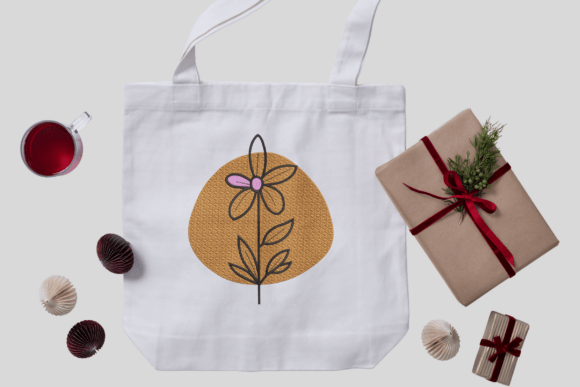
This isn’t a bold, graphic statement piece like a vintage band logo. It’s quieter—more Single Flowers than Botanical Garden. That’s its strength. It belongs beside delicate script typography, not aggressive streetwear fonts. It enhances, rather than competes with, garment texture—perfect for brands that celebrate natural fibers, ethical production, or tactile craftsmanship.
It also doesn’t try to be everything. It’s not a full-back mural. It’s not a complex multi-color scene requiring 12 thread changes. That restraint makes it commercially smart: faster hooping, fewer thread breaks, lower labor time per unit—key for a custom apparel business scaling from 10 to 100 units per drop.
Final Thoughts: More Than Just an Embroidery File
Cute Spotted Mushroom Embroidery Design is more than a digital embroidery file—it’s a brand amplifier. For the Etsy seller building a loyal following around seasonal drops, it adds consistent visual language across sweatshirts, tote bags, and even embroidered patches sold separately. For the embroidery shop offering custom branding, it’s a low-risk, high-charm add-on that elevates plain garments into collectible pieces. And for the creative entrepreneur launching their first boutique brand? It’s proof that thoughtful, nature-inspired design doesn’t need complexity to feel premium.
Before you order or digitize: double-check the actual embroidery file specs—hoop size, recommended stitch count range, and included formats (.dst, .pes, .jef). Confirm whether it includes color-separation guides or thread charts. And always test-stitch on your exact fabric blend with your preferred stabilizer. Because in the world of small-shop product development, the difference between “cute” and “captivating” lives in those quiet, intentional details.