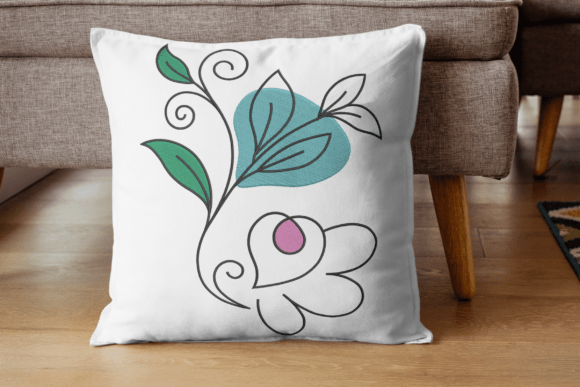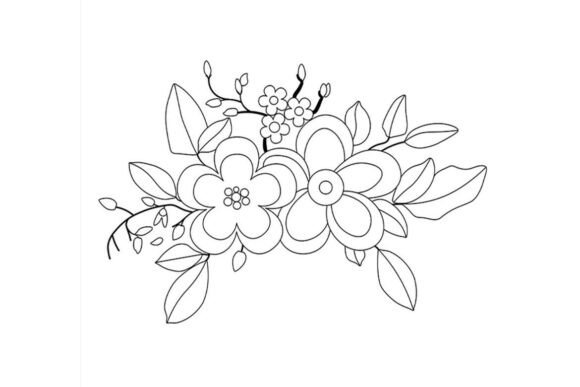
Floral Embroidery and Coloring Template
A Designer’s Real-World Review for Small Business Merchandise
As an embroidery designer who’s developed hundreds of machine embroidery designs for cafés, florists, boutiques, bakeries, and handmade brands, I approach every new digital embroidery file with two questions: Will it translate cleanly to fabric? and Will it strengthen a small business’s brand identity—not just decorate it? When I first saw the Floral Embroidery and Coloring Template, its title and description—“Elegant Floral Embroidery and Coloring Template, Hoop Art Design… beautifully hand-drawn”—immediately signaled a design leaning into timeless elegance, soft confidence, and artisanal warmth. That’s promising—but promise isn’t production. So I tested it across real commercial use cases: embroidered patches for staff aprons, cap fronts for a local florist, tote bag designs for a ceramic studio, and sleeve accents for a boutique’s custom apparel line.
First Impression: Elegant, Hand-Drawn, and Brand-Ready
The Floral Embroidery and Coloring Template reads as intentionally elegant—not fussy, not overly ornate, but thoughtfully balanced. The “hand-drawn” quality suggests authenticity and approachability, which works beautifully for small businesses that want to signal care, craftsmanship, and human connection. It avoids looking mass-produced or algorithmically generated—a subtle but critical advantage when your customers are choosing between your handmade product and big-box alternatives. For Etsy sellers and craft-based brands, that visual tone builds instant trust. It feels classic enough for a heritage bakery logo, yet fresh enough for a modern pet brand’s collar tag or a creative studio’s limited-run tote bag design.
Where It Shines in Commercial Embroidery Projects
In practice, the Floral Embroidery and Coloring Template performs exceptionally well across high-value small business merch categories:
- Embroidered patches: Its clean outer contour and moderate internal detail hold up beautifully at 2.5"–3.5" sizes—ideal for chest patches on uniforms or back-of-cap appliqués.
- Apron embroidery: Positioned above the pocket or centered on the bib, it adds quiet sophistication without overwhelming functional fabric.
- Cap embroidery: Works best on structured front panels (not curved bill edges), especially when paired with minimal text or monogram.
- Tote bag design: Scales elegantly to 4"–5" width—making it perfect for branded reusable bags sold at farmers’ markets or boutique checkouts.
- Product packaging accents: As a stitched label on linen tea sachets, ceramic tags, or gift box closures, it elevates perceived value instantly.
- Printable mockups: Since it’s categorized under Graphics, it serves double duty—use the coloring version for client presentations, then switch to the embroidery-ready version for production.
Smart Placement & Where to Proceed with Care
Like any strong design, the Floral Embroidery and Coloring Template has boundaries—and respecting them is what separates polished branding from frustrating rework. Avoid using it:
- Below 1.75" in height—fine details (like slender stems or delicate petal outlines) risk bleeding or stitching inconsistency on small patch sizes.
- On highly curved surfaces like unstructured cap bills or tight-sleeve cuffs without digitizing adjustments.
- Over dark, heavy, or textured fabrics (e.g., corduroy, thick twill, or looped terry) without testing stabilizer layers—its elegance depends on crisp edge definition.
- In high-stitch-density configurations unless you’ve verified thread color contrast and fabric stability; dense fills can flatten its hand-drawn charm.
- Alongside tiny lettering or secondary icons—its visual weight demands breathing room to maintain clarity and brand focus.
How It Builds Brand Identity—Not Just Decoration
This isn’t just a pretty motif—it’s a brand amplifier. When a café embroiders the Floral Embroidery and Coloring Template onto barista aprons, it communicates care, seasonality, and attention to detail before a single cup is poured. When a florist uses it on tote bags handed to customers, it extends their aesthetic beyond the shop floor—creating organic, wearable marketing. Because it’s rooted in hand-drawn authenticity, it supports a handmade product narrative without needing extra copy. Customers subconsciously associate that fluid line work with intention and skill—boosting perceived professionalism and willingness to pay premium pricing. And unlike generic clip art, it integrates seamlessly with other design assets, helping maintain visual consistency across embroidery, packaging, and digital touchpoints.
Practical Designer Notes Before You Stitch
Before launching the Floral Embroidery and Coloring Template into production, here’s my checklist—honed across 12 years of commercial embroidery:
- Always test in black and white first—this reveals spacing issues, unintended overlaps, and stitch order logic.
- Verify how it renders at your target hoop size and smallest intended application (e.g., 2" embroidered patch).
- Review thread color contrast on your actual garment fabric—not just on screen. Light florals vanish on ecru linen; deep greens pop on navy canvas.
- Inspect spacing between elements: tight clusters may require manual digitizing tweaks to prevent thread nesting.
- Test on real fabric with your standard stabilizer stack—especially if working with stretch knits or slippery synthetics.
- Create a physical or digital printable mockup for client approval *before* hooping—this prevents costly re-runs.
- Compare it beside your existing logo, typography, and other design assets—does it harmonize or compete?
- Confirm commercial licensing applies—since it’s listed under Crafts and Graphics, verify usage rights cover resale, branded merchandise, and commercial embroidery before committing to bulk orders.
The Floral Embroidery and Coloring Template isn’t just another digital embroidery file—it’s a versatile, brand-conscious tool built for small business growth. When used intentionally, it transforms everyday items—aprons, caps, totes, packaging—into quiet ambassadors of craftsmanship and care. For embroidery shops, apparel decorators, and handmade brands alike, it’s proof that elegance doesn’t have to mean complexity—and that the right machine embroidery design can do far more than decorate. It can define.