Hands Making Pride Heart Gesture Embroidery Design
A First Glance That Stops Booth Walkers in Their Tracks
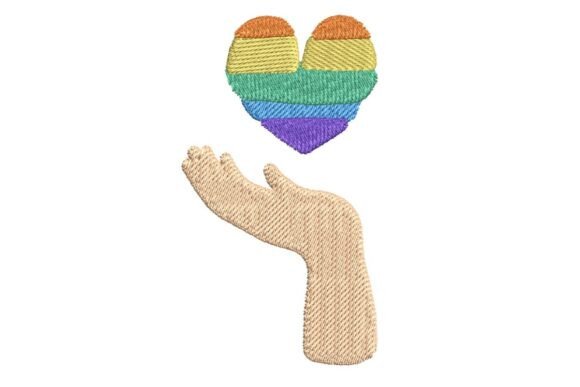
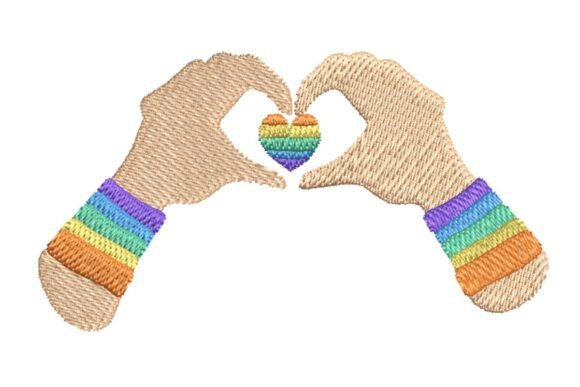
As an embroidery designer who’s prepped over 200 craft fair booths—and watched thousands of shoppers slow down for one stitch, then pause for another—I’ll say it plainly: Hands Making Pride Heart Gesture Embroidery Design lands with quiet confidence. It’s not loud or flashy, but it’s deeply human. The description—“two hands forming a heart shape, encompassing a tiny rainbow-striped heart”—immediately signals warmth, intention, and inclusivity. Visually, it reads as modern, heartfelt, and gently uplifting—not overly decorative, not minimalist to the point of coldness. It leans into soft elegance with a clear awareness purpose, making it ideal for sellers who want meaning without message fatigue.
Where This Design Shines on Craft Fair Products
This design thrives where emotion meets utility. On a natural canvas tote bag? Instant connection—especially when paired with neutral linen or unbleached cotton. The hands read clearly at 4–5 inches wide, and the tiny rainbow heart adds just enough detail to reward a second look. As apron embroidery, it works beautifully centered above the pocket or subtly on the bib—clean, dignified, and quietly proud. For tea towel embroidery, I recommend placing it in the lower corner or along the hem; the textured light rendering of the hands plays well against terry cloth or waffle weave, adding tactile depth without competing.
As an embroidered patch, this design gains versatility—it’s small enough to sew onto denim jackets, backpacks, or market bags without overwhelming. On caps? Use caution: the curved surface compresses fine details, so test stitch density and consider simplifying the rainbow stripe spacing if needed. For pillow covers and small pouches, scale it to 3–3.5 inches—it holds clarity and charm without crowding. And yes, it photographs exceptionally well for Etsy listings and printable mockups: the contrast between hand shapes and rainbow heart creates natural visual hierarchy, and the soft texture translates beautifully in natural light.
Production Realities: What Works—and What Needs Care
This is a thoughtful machine embroidery design, but it’s not “set-and-forget.” The phrase “textured light” in the description hints at layered fill stitches or subtle satin variations—so stitch density matters. Dense areas (like the overlapping fingers or rainbow stripes) may require medium-weight cutaway stabilizer on lightweight fabrics, and tear-away won’t hold up on textured towels or thick canvas. Always test the embroidery file on scrap fabric matching your final product—especially before batch-producing handmade products for a weekend fair.
Small details demand attention: that “tiny rainbow-striped heart” can blur on dark fabric unless thread colors are high-contrast (think bright rainbow threads on navy or charcoal). On curved surfaces like caps or rounded pouches, confirm hoop size compatibility—some versions may exceed standard 4×4 hoops. And while the hands themselves read well at smaller sizes, don’t shrink below 2.75 inches—the rainbow heart risks becoming indistinct, weakening the core symbolism.
Selling Power: Why This Design Moves Units
In a crowded craft fair aisle, Hands Making Pride Heart Gesture Embroidery Design stands out by being both specific and universal. It’s instantly legible as love + pride, yet avoids cliché through its hand-formed gesture—a nod to human connection over iconography. Customers linger longer when meaning feels personal, not performative. That translates directly to higher engagement: more questions at your booth, more photo shares on social, more repeat buyers drawn to your brand’s consistent tone of warmth and authenticity.
It elevates perceived value without raising price points—adding this design to a $28 tea towel makes it feel giftable, intentional, and gallery-worthy. As a small shop product, it strengthens brand consistency across categories: same motif on your tote, apron, and patch line tells a cohesive story. And because it’s rooted in Awareness rather than trend-chasing, it remains relevant year after year—no seasonal expiration date.
Designer Notes You Can’t Skip Before Your Next Fair
- Test on scrap fabric first—especially if using textured towels, dark denim, or curved caps.
- Check thread contrast carefully: rainbow threads must pop on your base fabric, not fade into it.
- Review spacing and stitch density—overlapping fingers need clean separation, not thread buildup.
- Confirm hoop size before digitizing or purchasing—don’t assume it fits standard 4×4 or 5×7.
- Use the right stabilizer: cutaway for stretchy or textured fabrics; tear-away only for stable, lightweight weaves.
- Create at least one real mockup—not just a digital preview—before committing to 50 tote bags.
- Compare fabric colors side-by-side: what reads warm on screen may look muddy in person.
- Verify commercial licensing before selling finished products—this is essential for all commercial embroidery use.
Final Thought: A Design That Sells Because It Speaks True
Hands Making Pride Heart Gesture Embroidery Design isn’t just another digital embroidery file. It’s a conversation starter, a comfort object, and a quiet act of visibility—all stitched into one elegant gesture. For Etsy sellers, boutique makers, and craft fair veterans alike, it delivers emotional resonance *and* production practicality—if you honor its nuances. When placed thoughtfully on the right craft fair product, it doesn’t just sit on a table. It reaches out, invites connection, and reminds every customer: handmade means heart-made.