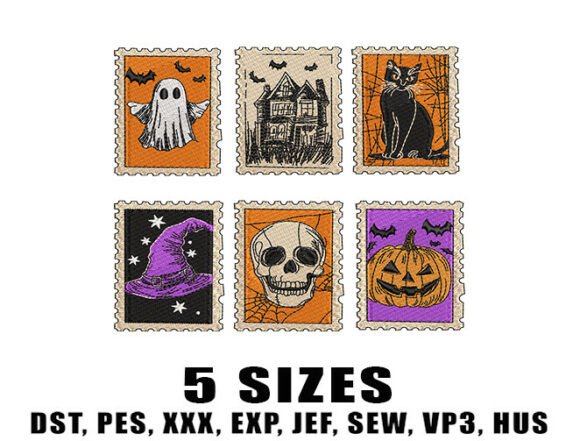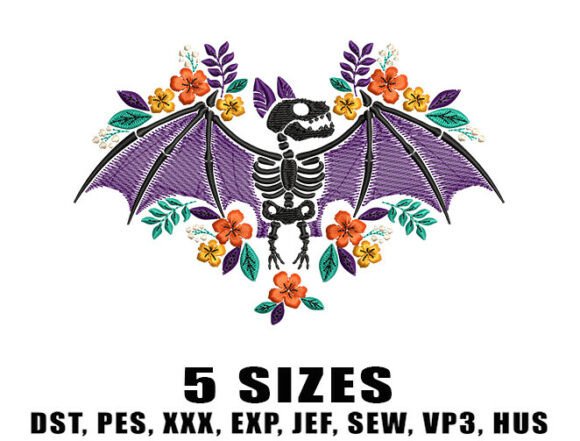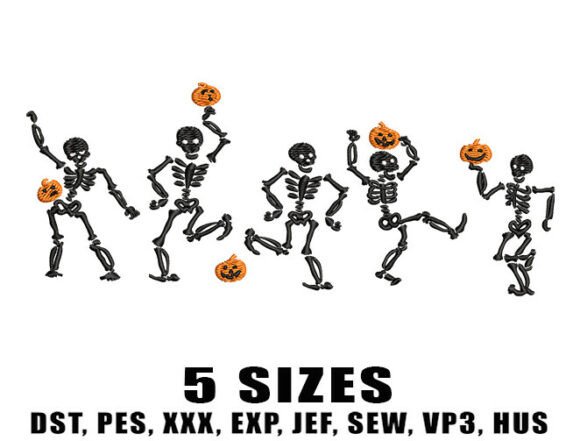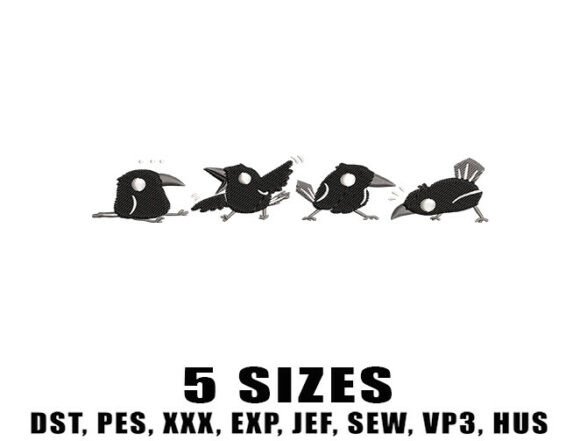
Trick or Treat Embroidery Designs
A Craft Fair Designer’s First Look: Bold, Spooky, and Instantly Recognizable
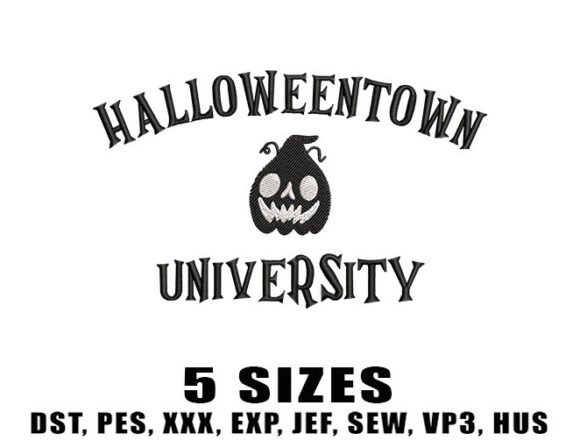
As an embroidery designer who’s prepped over 200 craft fair booths—from downtown pop-ups to regional handmade markets—I opened Trick or Treat Embroidery Designs expecting seasonal charm. What I got was something sharper: a confident, college-style Halloween logo with real presence. The “Halloweentown Uni Bold Classic” descriptor isn’t marketing fluff—it’s accurate. This isn’t cutesy pumpkins or cartoon ghosts. It’s structured, slightly academic, and unapologetically spooky. Think varsity lettering meets vintage library signage. That tone translates instantly to customers browsing a crowded booth: it stands out without shouting, feels premium without being stiff, and reads as *intentional*—a huge win for handmade credibility.
Where Trick or Treat Embroidery Designs Shines On Real Products
In my booth setup, I test designs across six high-turnover items: tote bags, aprons, tea towels, embroidered patches, fabric pouches, and pillow covers. Here’s how Trick or Treat Embroidery Designs performed:
- Tote bag design: At 5.8" (Size 3), it anchors the front panel beautifully—large enough to read from three feet away, balanced enough not to overwhelm canvas or cotton duck. Customers paused, pointed, and asked, “Is that Halloweentown Uni?!”—proof of instant recognition.
- Apron embroidery: Placed just above the pocket on a black denim apron, Size 2 (4.8") gave strong visual weight without competing with functional pockets or straps. The bold lettering held up against apron texture and frequent washing.
- Tea towel embroidery: Used Size 1 (3.8") in the lower corner. Worked well on medium-weight linen-cotton blends—but only with high-contrast thread (e.g., bright orange on charcoal). On lighter towels, tiny serif details softened; on heavily textured towels, some fine strokes blurred slightly.
- Embroidered patch: Size 2 stitched cleanly onto twill backing. Clean edges, minimal fraying after heat-sealing. Ideal for pinning to market bags or attaching to jackets—adds instant personality to neutral outerwear.
- Fabric pouch & pillow cover: Size 1 worked best here—small enough to complement scale, large enough to retain legibility. Avoid Size 4 (6") on 8"x10" pouches; it crowds seams and distorts stitch tension.
What Makes This Design Sell—And What Requires Care
Trick or Treat Embroidery Designs sells because it’s conceptually sticky: “spooky academia” taps into two powerful trends—nostalgic campus aesthetics and elevated Halloween style. It photographs exceptionally well for Etsy listings and printable mockups: clean lines, strong negative space, and clear hierarchy make it easy to showcase on lifestyle shots. For digital embroidery file buyers, the five size options (3.8" to 6") offer real flexibility—not just scaling, but thoughtful proportion adjustments across sizes.
But practicality matters. As a machine embroidery designer, I flagged these considerations before stitching my first batch:
- Dense stitch areas: The “UNI” monogram and crown motif have higher stitch density—test on scrap fabric first, especially with thick sweatshirt fleece or quilted pillow covers. Use cutaway stabilizer, not tear-away, for stability.
- Small lettering: The tagline “Trick or Treat” uses refined serifs. Below 3.8", clarity drops noticeably on textured fabrics. Stick to Size 1 minimum for tea towels or patches.
- Curved surfaces: On caps or curved market bags, Size 2 or 3 works best—avoid Size 4 unless using a cap frame and specialty hooping technique.
- Dark fabric + thread contrast: This design relies on contrast. On navy, black, or charcoal, use fluorescent orange, ghost-white, or metallic silver thread—not standard ecru. Always test thread colors on your exact fabric batch.
Booth Impact, Brand Alignment, and Buyer Engagement
In person, Trick or Treat Embroidery Designs elevates perceived value. A simple black tote with this embroidery reads as curated, not generic. It supports brand consistency for small shop products—if you sell “spooky scholarly” goods (bookish candles, ink-stained notebooks, gothic stationery), this design becomes a visual anchor across categories. At craft fairs, it sparked conversation: shoppers shared alma maters, debated “Halloweentown vs. Hogwarts,” and bought multiples (“One for me, one for my thesis advisor”). That emotional hook is gold.
For Etsy sellers, it strengthens search visibility—not just for “Halloween embroidery,” but for niche terms like “spooky academia gift” or “college Halloween decor.” Pair it with cohesive design assets (matching social banners, printable tags), and it becomes a full-season collection starter—not just a single embroidery file.
Designer Notes You Can’t Skip Before Production
Before cutting fabric or loading hoops, do these six things:
- Test the machine embroidery design on scrap fabric matching your final product’s weight and texture—especially for sweatshirts and tea towels.
- Check thread contrast under both natural and booth lighting. What reads bold in daylight may fade under warm market tent lights.
- Review spacing between letters and motifs—tight kerning looks sharp on screen but can cause thread nesting on dense fills.
- Confirm hoop size compatibility. If your largest hoop is 5x7", Size 4 (6") may require re-hooping or resizing—don’t assume automatic scaling preserves quality.
- Inspect stitch density in the crown and “UNI” elements. High density demands proper stabilizer choice and slower machine speed.
- Create at least one real mockup—not just a digital preview. Hold it in your hand. Walk it through your booth flow. Does it draw eyes? Does it feel worth the price point?
Finally: verify commercial licensing terms before selling finished products. This is a digital embroidery file intended for craft fair products and handmade goods—but always confirm usage rights directly with the designer or platform.
Final Verdict for Creative Entrepreneurs
Trick or Treat Embroidery Designs isn’t just another Halloween motif. It’s a versatile, mood-driven, conversation-starting asset built for real-world making. It performs strongly across tote bags, aprons, patches, and giftable handmade items—especially when paired with intentional fabric choices and smart sizing. For Etsy sellers, boutique makers, and craft fair vendors, it offers immediate seasonal relevance with lasting stylistic resonance. Just remember: bold design demands thoughtful execution. Test, adjust, and trust your eye—then watch it sell.